Bavaria and Beyond
We had one extra day in Munich before we began our road trip, and we decided to head to Dachau to see the concentration camp that was there. It was turned into a memorial museum in the mid-60’s but then redone in the early 2000’s. I remember traveling to Krakow and seeing Auschwitz so there were definitely some similarities, but it was a really powerful experience to go to this place while we were in Germany. I wrote some history and thought below, but just warning you in advance that this is some heavy stuff. Also, I am definitely not a historian so I am sharing what my memories are and what I learned. One of the most powerful links I can share is survivors reaction to the museum, see this link: https://www.kz-gedenkstaette-dachau.de/en/history-online/virtual-commemoration/messages/#Salani .
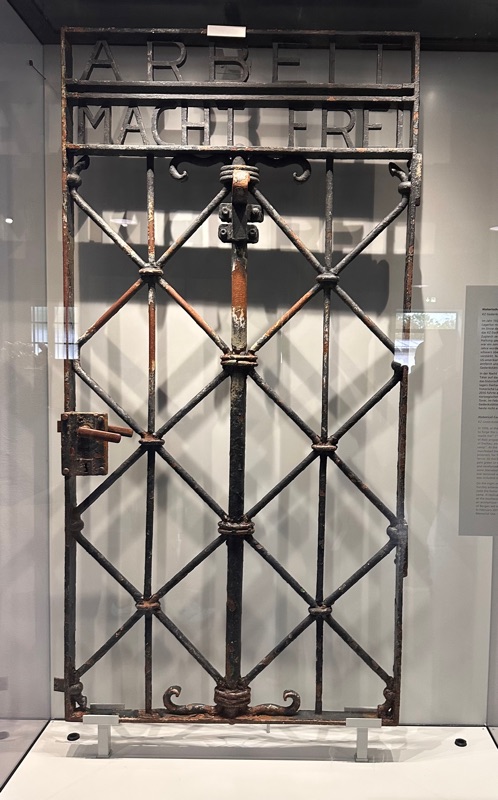
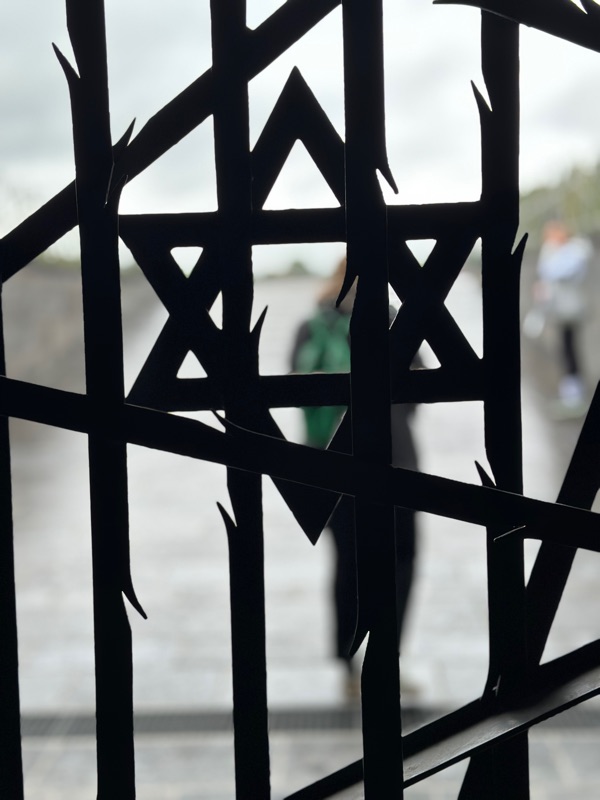
This door says “Work shall set you free” and has actually been stolen from the memorial, but was recently located and returned.
Some background - starting with the onset of World War II:
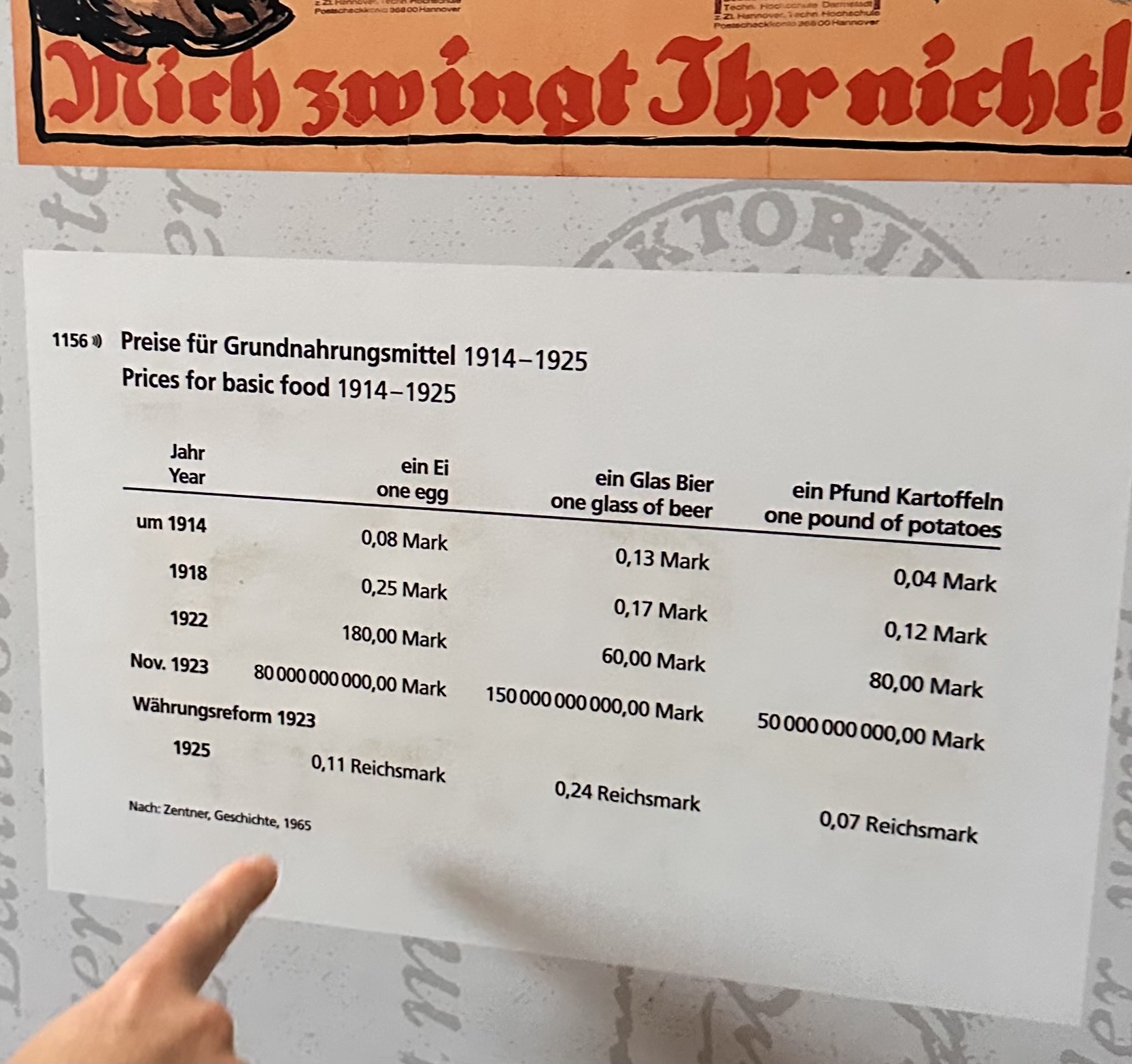
The museum was great in answering this question of “how did this happen?”. There was a series of events that brought Hitler and the Nazis into power that was very incremental. First, the Germans lost World War I. There was some energy at the end of the war to have a democratic state come to power, but then the Treaty of Versailles found Germany to be exclusively to blame, so the damages that needed to be paid threw the country into a depression with high inflation and a huge amount of poverty. At this time there was also a lot of cultural developments in things like jazz music and the Bauhaus (for all the architects in the room) but because of this timing this modernity was rejected. There developed a “radical left” and a “radical right”. The Jews were blamed for financial troubles through underlying and increasingly overt racism. The NSADP (Nazis) rose in political power because they seemed like the only hope to the people to get out of this poverty. As they came into power, a “Presidents Emergency Decree” was established as a way to bypass Parliament, which basically gave one single person the ability to give orders. So then all of a sudden people could be detained for what seems like no fair reason, and thus became a perfect storm for the holocaust.
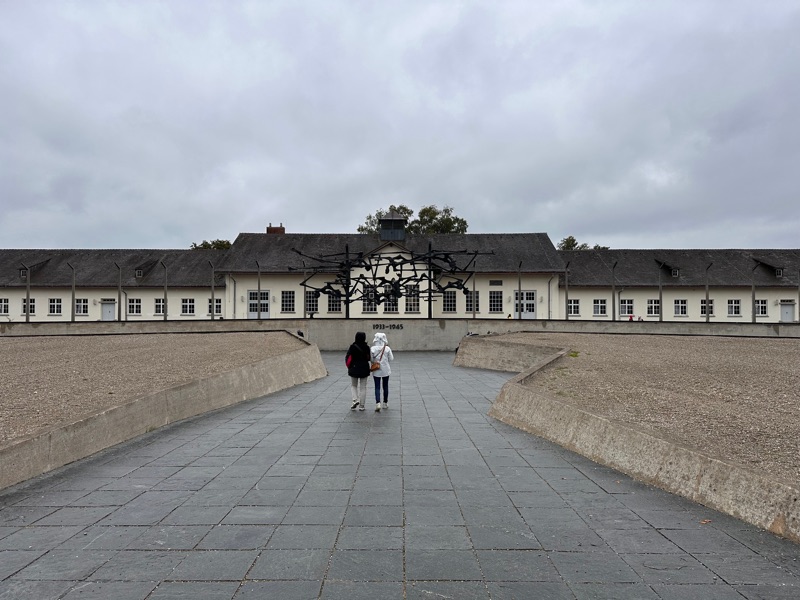
On to Dachau:
Dachau was used as a labor camp and then concentration camp from 1933 to 1945 during World War II. It was converted from a munitions factory early in the war and originally the people who were sent there were political opponents of the Nazis. They were sent there to break their spirit as opposition to the Nazis, and as is true for many camps, there was a lot of propaganda showing a very curated image of what happened at the camp, when in fact there were atrocities happening every moment of the day. As years went on and after the Nuremberg Trial and the “night of broken glass” when the Jews were targeted more intensely, the camp became a place for more than just political prisoners. There were other groups that were held here as well - criminals, those who fled Germany but were sent back, Jehovah’s witnesses (because they denounced what the Nazis were doing), homosexuals, and beggars/addicts. Dachau wasn’t considered an “extermination site” but it is estimated that over 40,000 people were killed here, either by starvation, torture, murder, or literally being worked to death. There were 34 barrack buildings of mostly men. The only women were there in the brothel where inmates who were rewarded were sent. There were a lot of medical experiments done on prisoners here and one big one was to test a malaria vaccine, and many died from these tests.
The camp was liberated in 1945 by the Allied forces, but was disbanded before the Allies could see all of the atrocities, but they were able to piece it together. One of the most powerful moments I saw in the museum was the photo of the liberation of the camp with smiling faces of those who were freed in contrast with a video of a woman who acknowledged that after she was freed she was still bearing the burden of what had happened so it was not joy she experienced; it was relief but with a feeling of numbness as well. Reparations were paid to some of the prisoners, i.e. Jews, but not certain groups like Roma, and homosexuals.
And the Museum:
There is a large and super informative museum in the former administration building of the camp. It documented the Nazis’ rise to power, and what happened in the camps, how prisoners were treated, what their life was like, there were no details left out. The journey through the museum is chronological ending with the liberation and post-war use of the camp. There was a room towards the end that talked about how the war crime sentences were carried out to all of the main players at Dachau, and many of them ended up being executed.
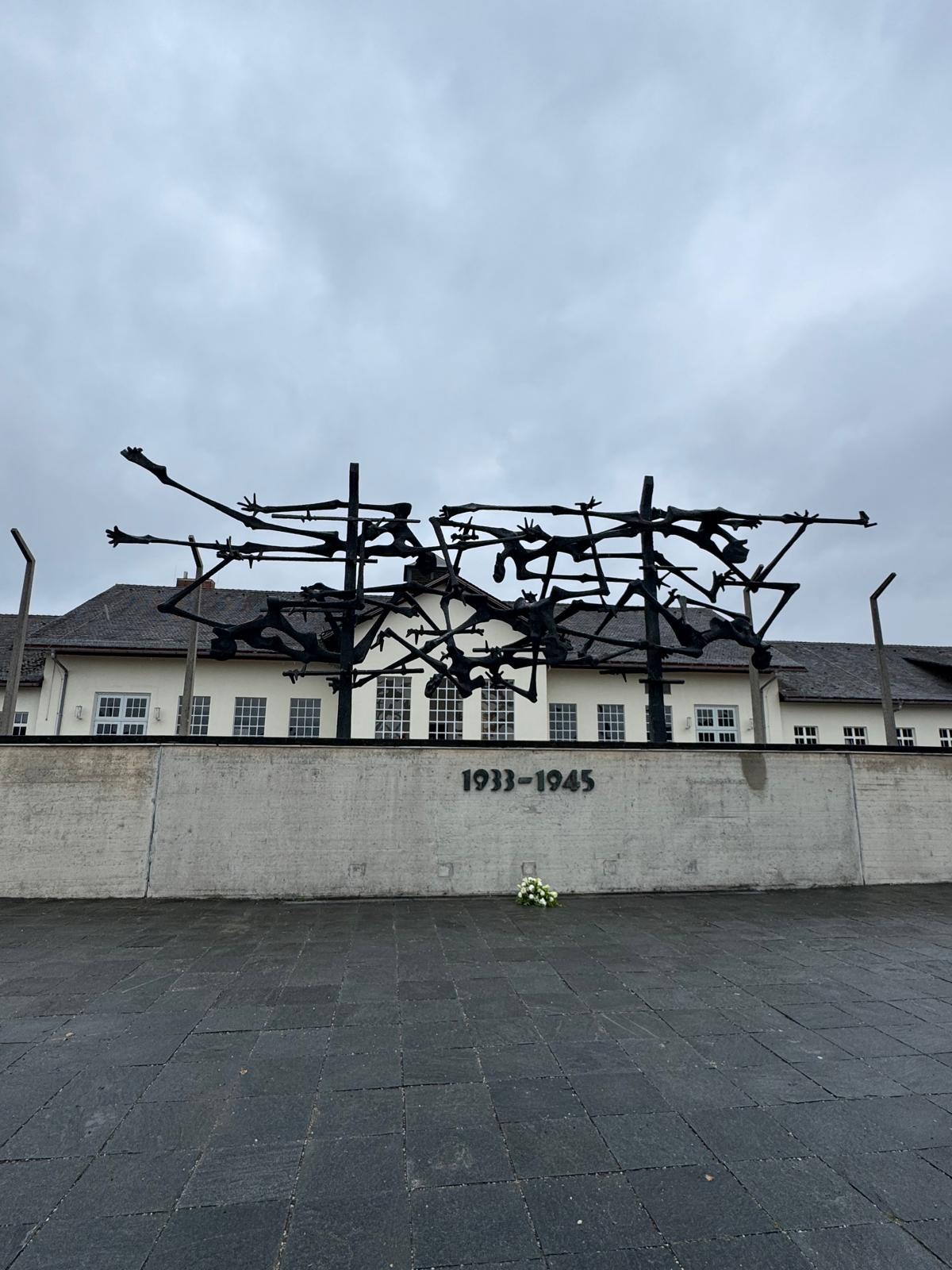
Behind the museum building is a camp prison building that housed the jail cells for those being punished. There were some solitary confinement cells, cells that were not even big enough for someone to sit in as torture.
And then in front of the museum is a recreated barracks building that shows the 3-high bunk beds that housed the prisoners. It is so hard to imagine the building full of people and how little dignity they were treated with. Between the administration building and the barracks building is a large plaza where they did roll call of the up to 11,000 prisoners.
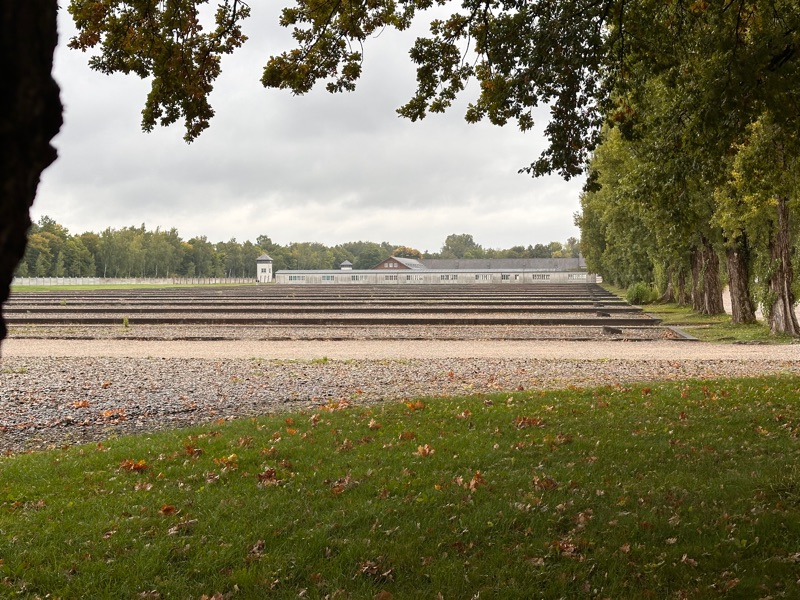
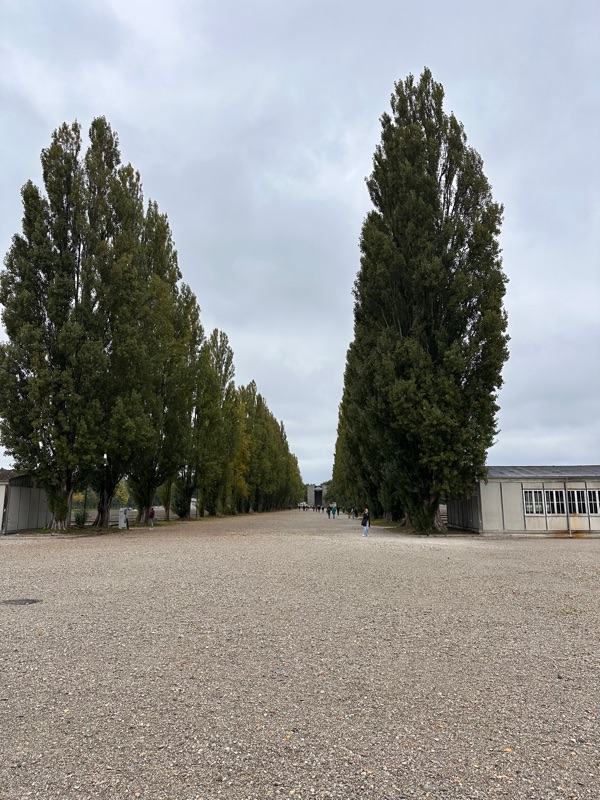
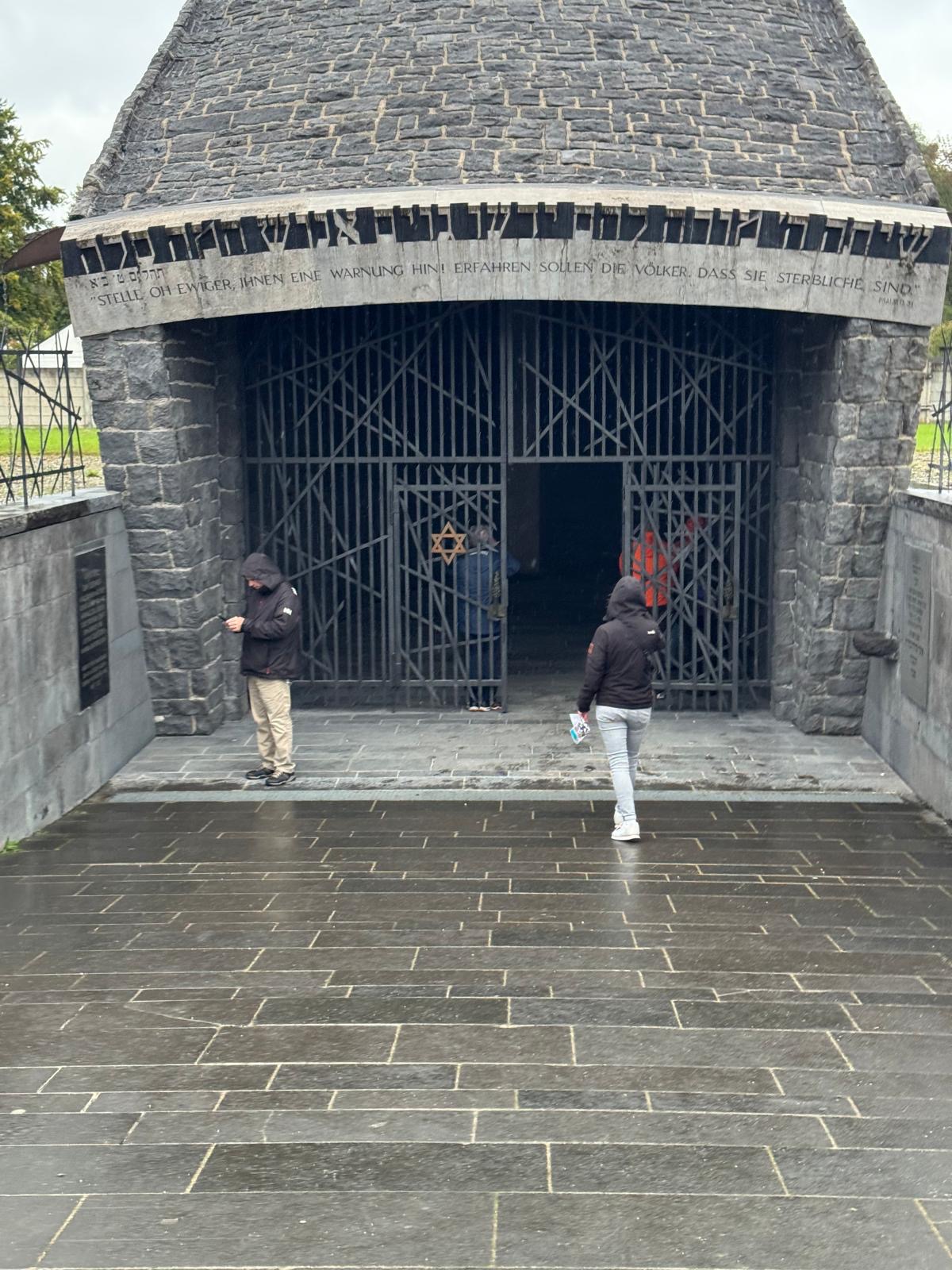
You can walk down the promenade between the former barracks to a series of multi-denominational religious buildings honoring the victims, and there is a convent behind these buildings that still functions today.
Then of to the side is the crematorium, where the Allies began to piece together what was happening, as they saw piles of human bodies getting ready for cremation. The Nazis had to build a larger crematorium at some point in order to dispose of the bodies faster. There was a gas chamber in this building as well for some mass execution. It is just mind-blowing what happened in this place.
What I did appreciate about this experience was sharing it with friends and it started so many interesting conversations among us. We shared our emotions, sadness, anger, shock, disbelief, and we also talked about how it could have happened, and how we as Americans sometimes feel powerless to change.
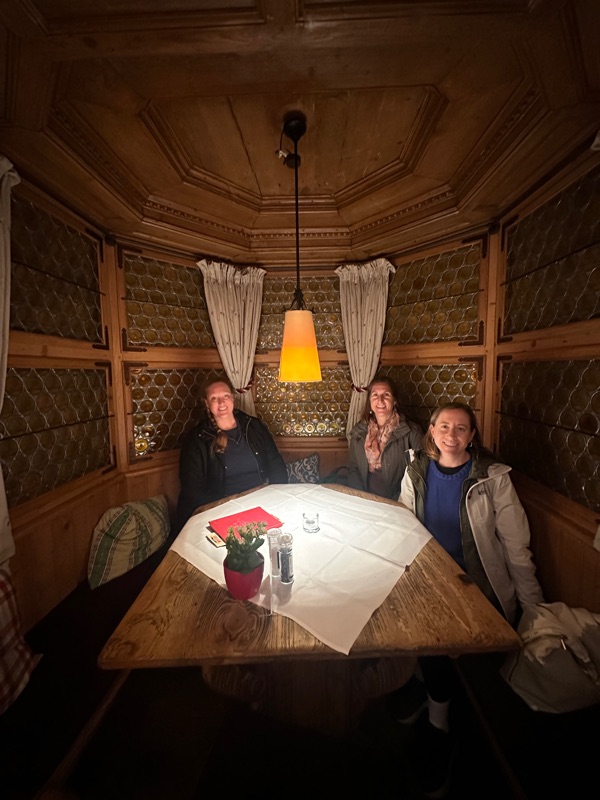
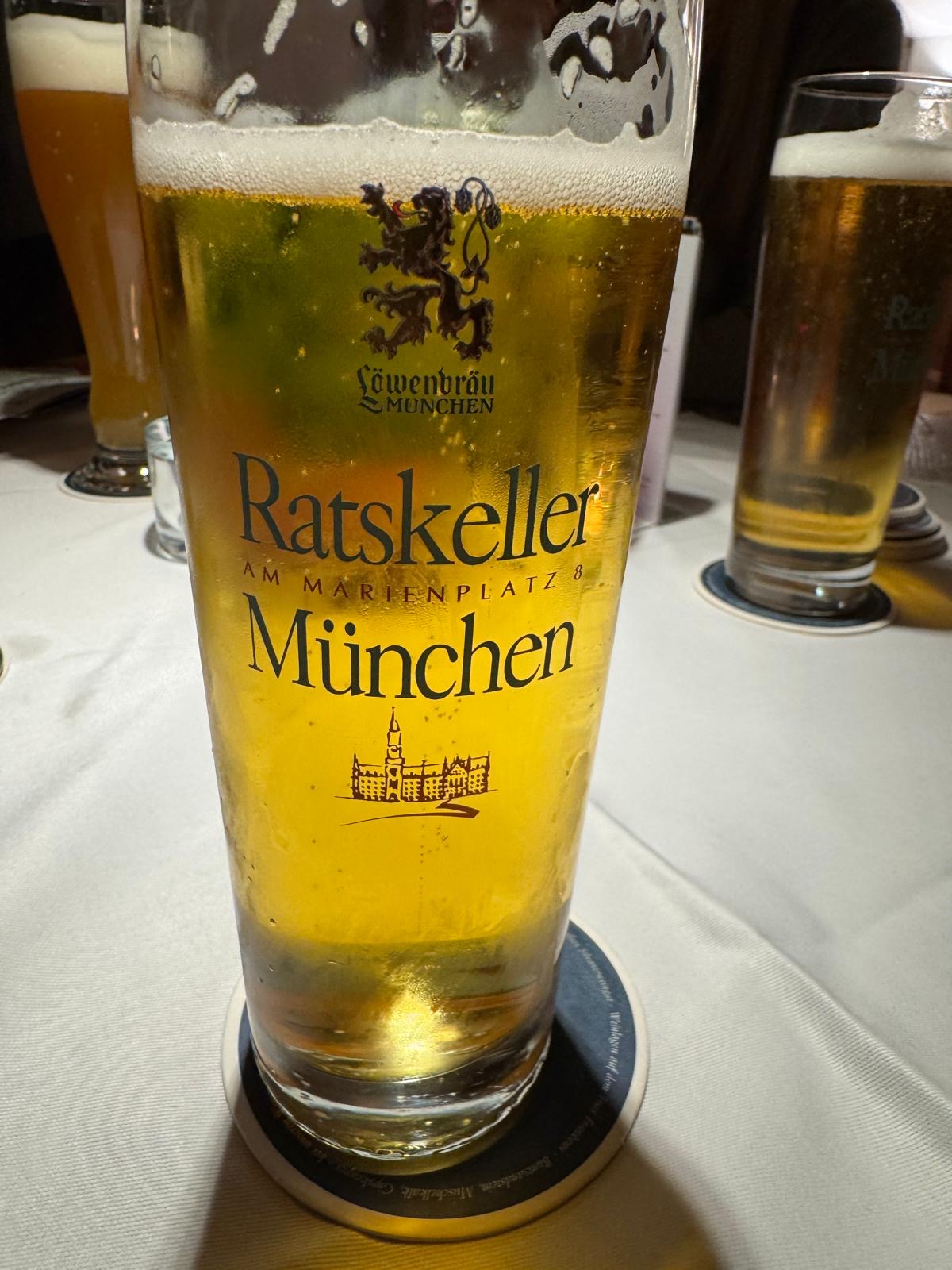
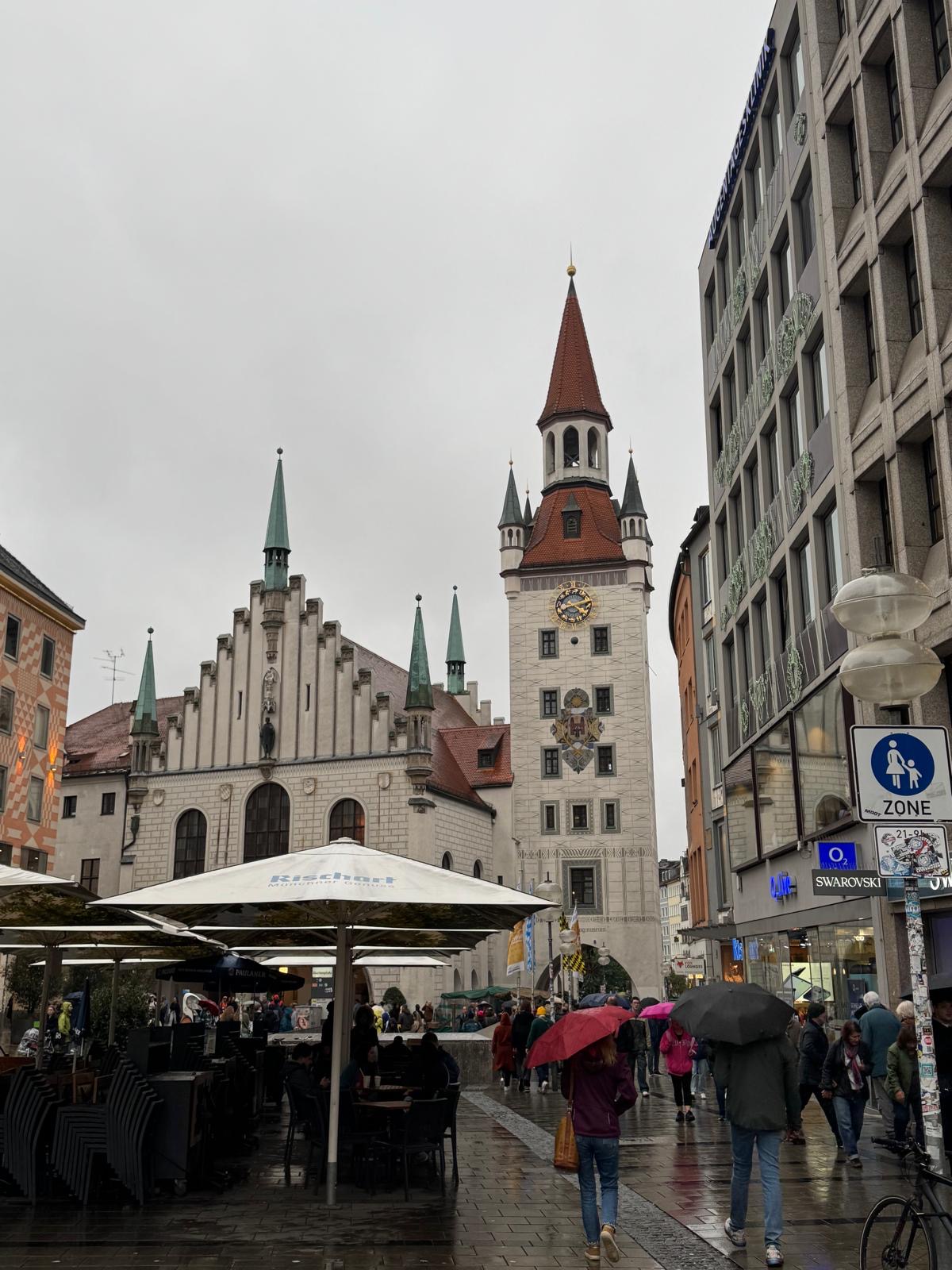
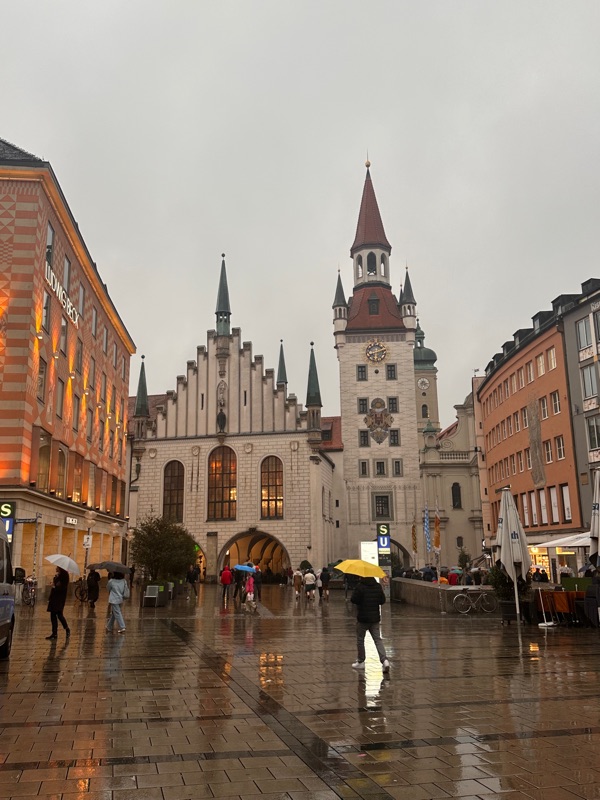
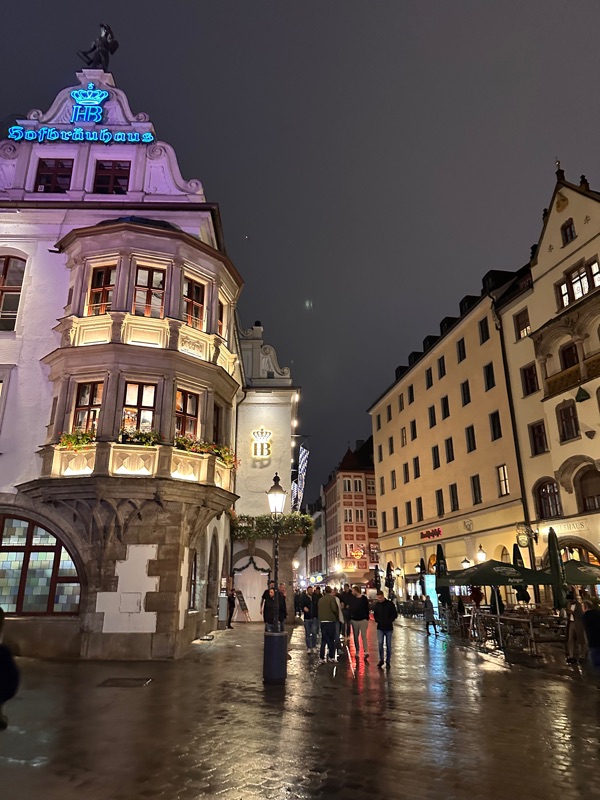
We left Dachau and headed to the Aldstadt (Old City) for some lunch. We started in Marienplatz and found a lovely restaurant in this majestic building that turned out to be the Old Town Hall. The restaurant was called the Ratskllar which I loved because that was the name of the bar we went to for chicken fingers and fries after volleyball practice at Catholic University. The name Rathskeller or Ratskellar literally means the bar in the basement of the town hall.
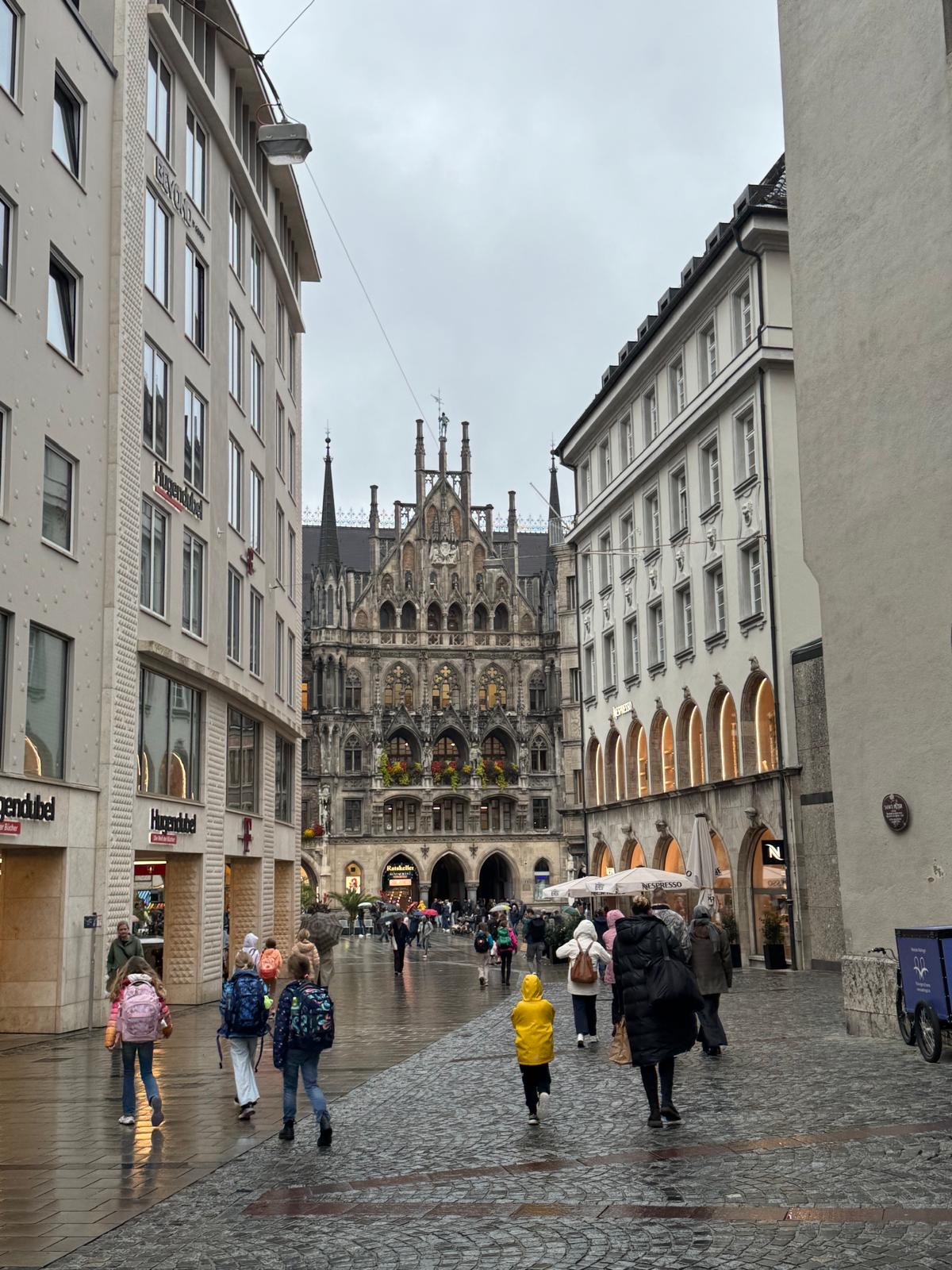
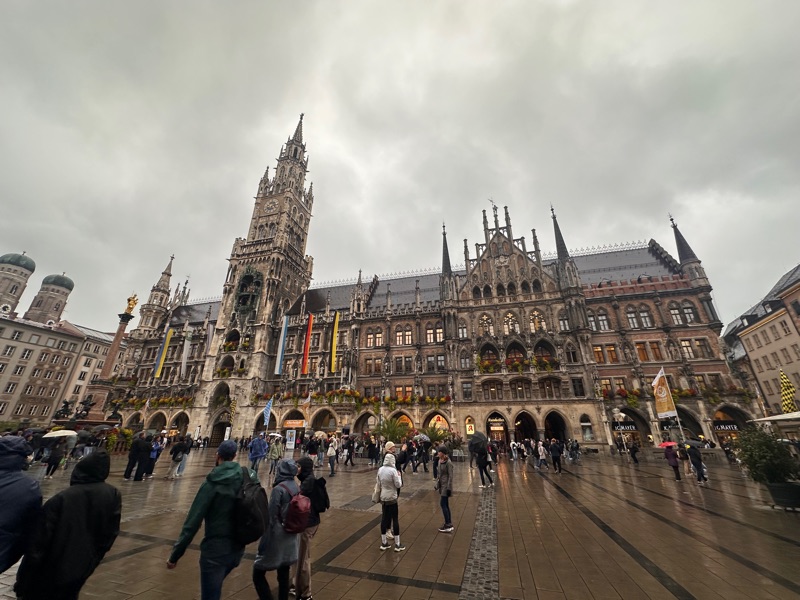
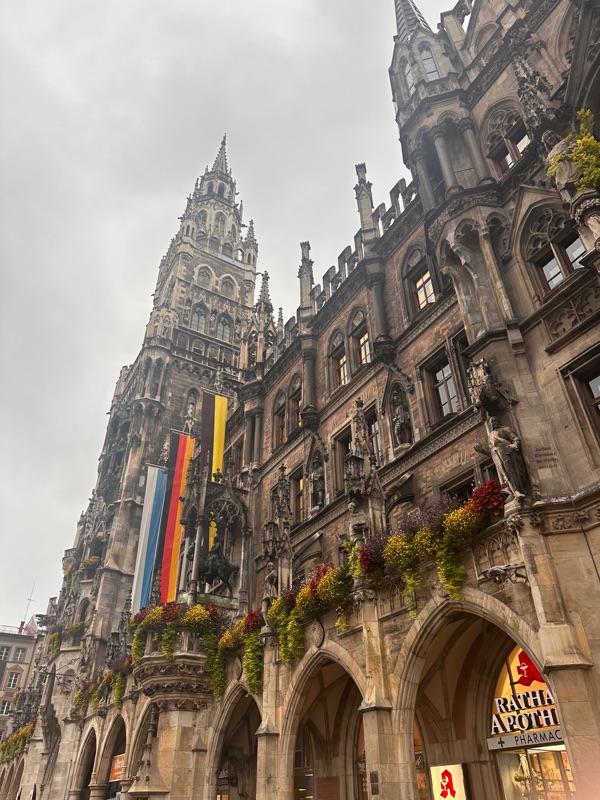
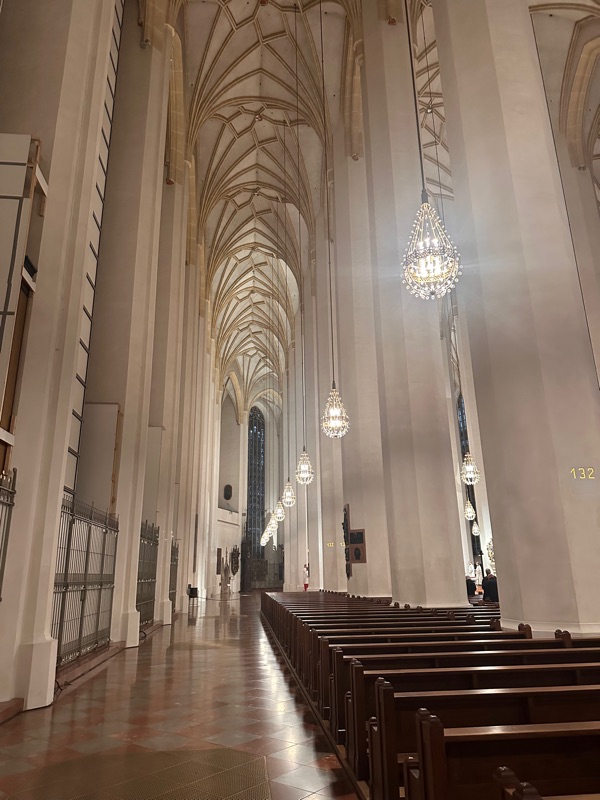
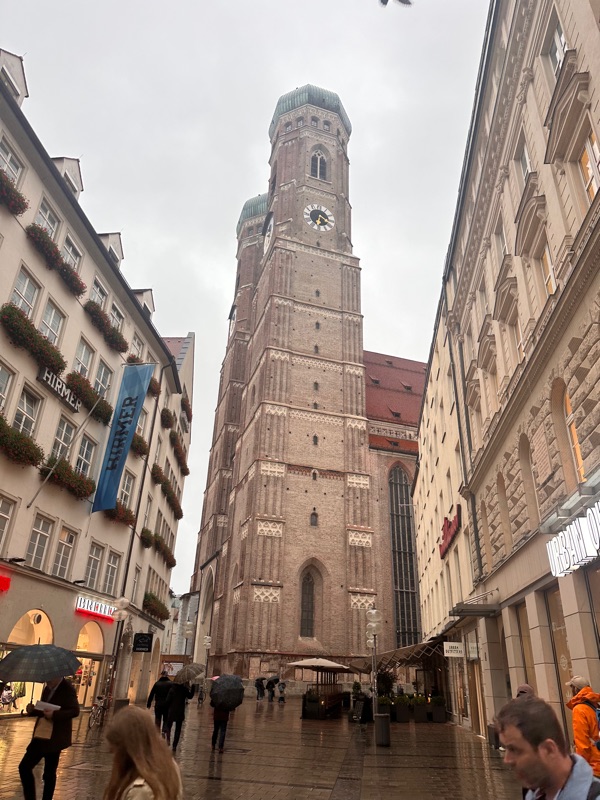
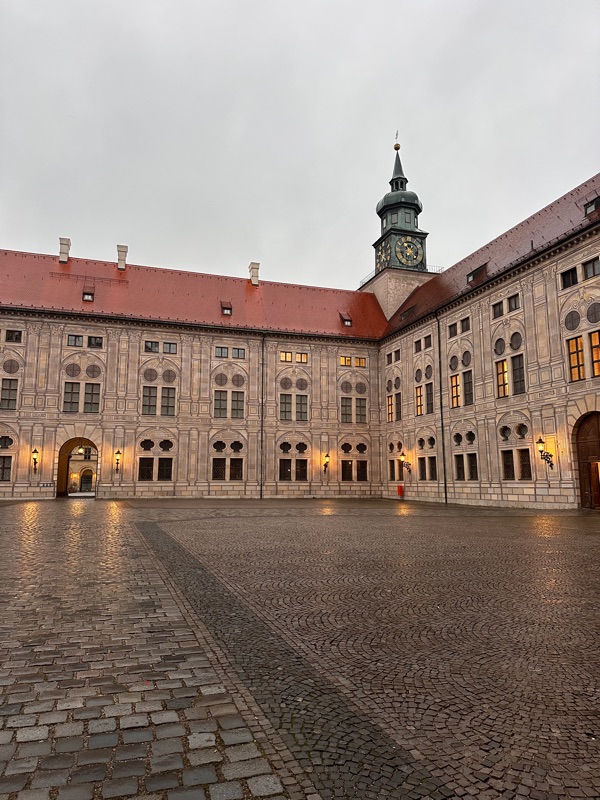
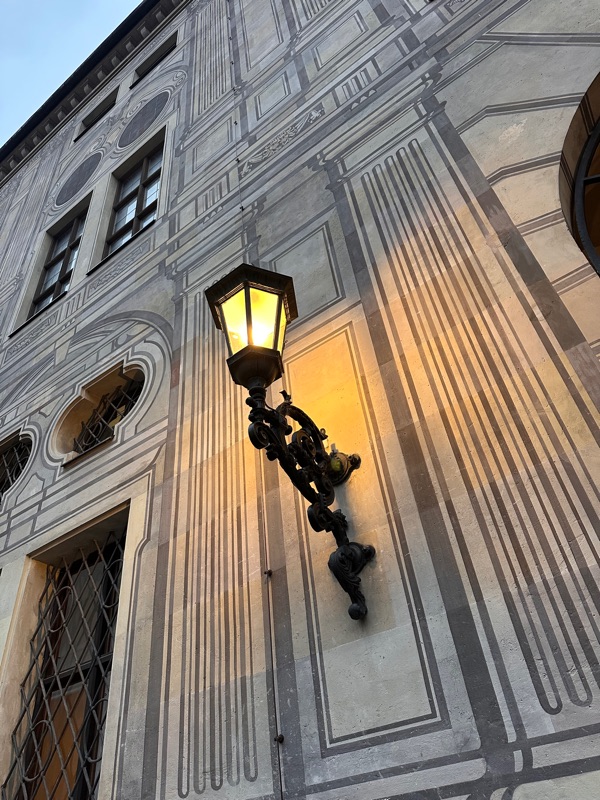
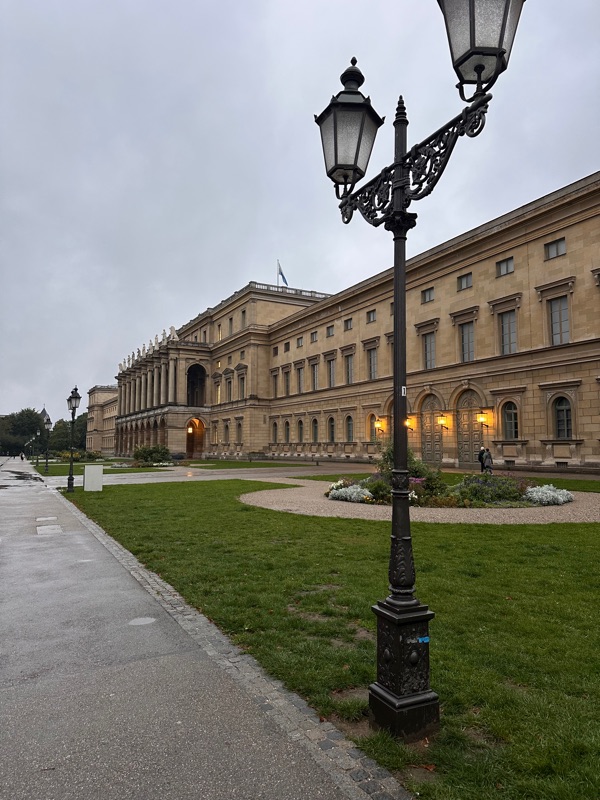
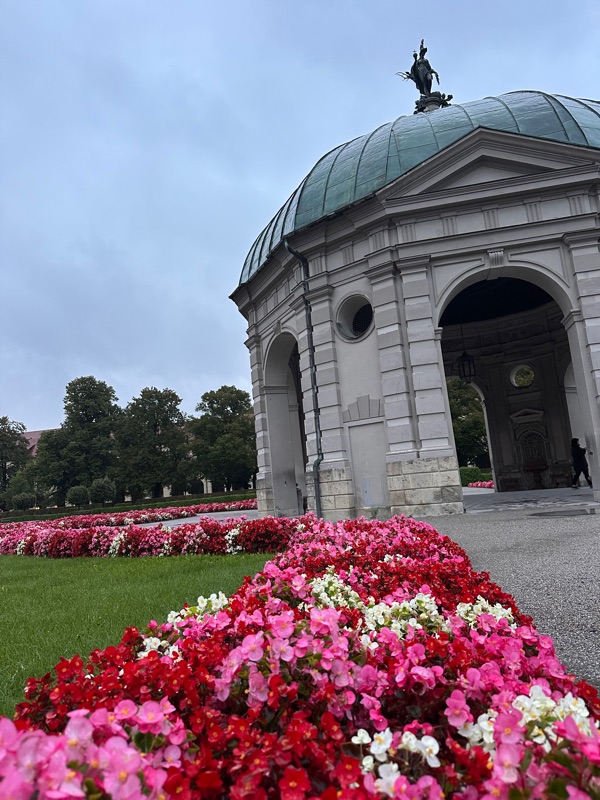
From there we strolled around the city and window shopped, all of the lovely and fancy dirndls in the shops, and we saw the cathedral which was beautiful. There was a palace here too, the Munich residence, which was very different from the palace we had seen before. This one had a much more painted-on facade with less architectural detailing. This was because it had been damaged in the war and when they rebuilt it they wanted to “update it” rather than spend money on recreating what was older. There were some lovely gardens and paseos as well, it was a beautiful City!
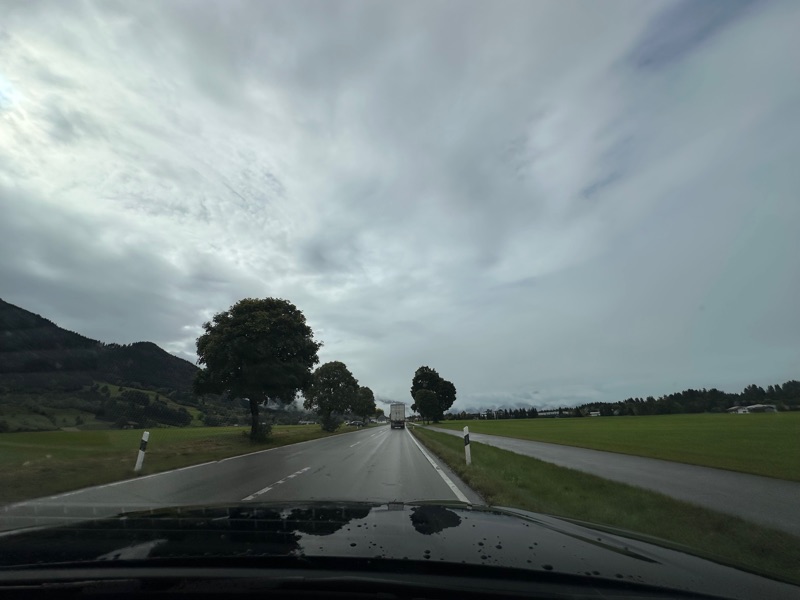
The next day we woke up and headed to the car rental place for our drive through Southern Germany. Carolyn was the driver and I the navigator, and we of course got a lovely Audi in honor of our German adventure. The sky decided to rain pretty much every day since the marathon, which we found ironic. The countryside was just lovely, with such vibrant greens and cows everywhere. The buildings looked so large, there were not a lot of small houses. My google searching turned up that these buildings were called Bauernhaus, because they housed seasonal farm workers. So it was a sort of guest house setup on each farm.
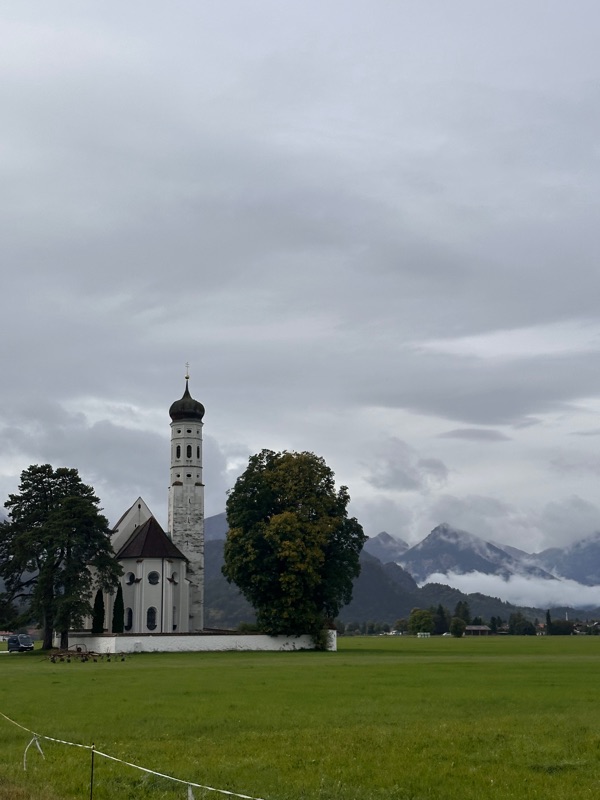
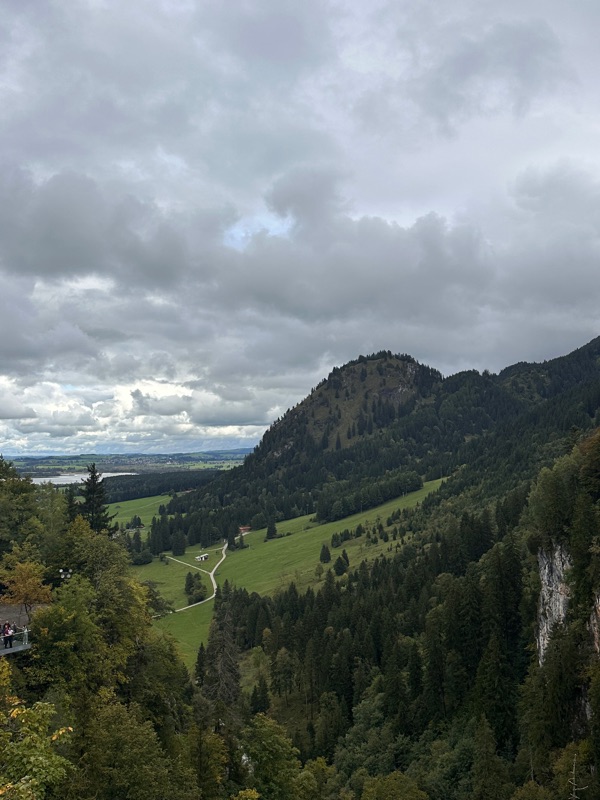
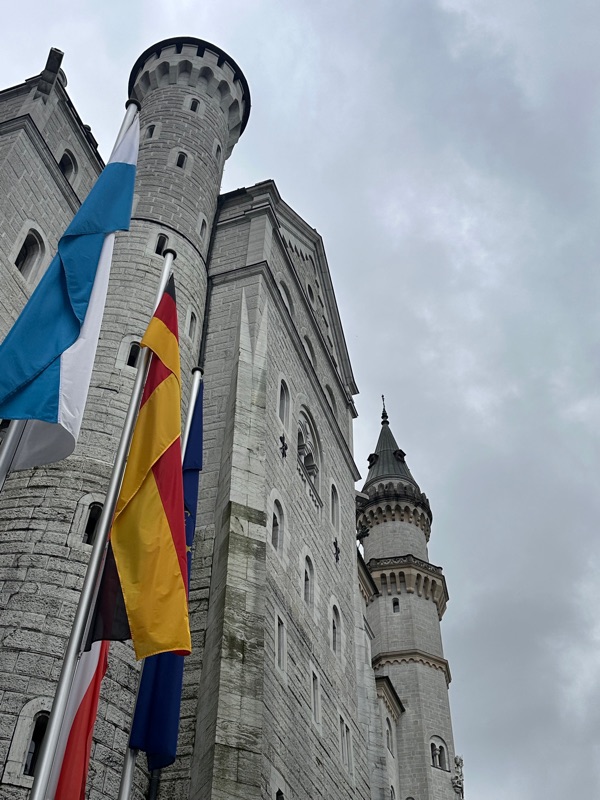
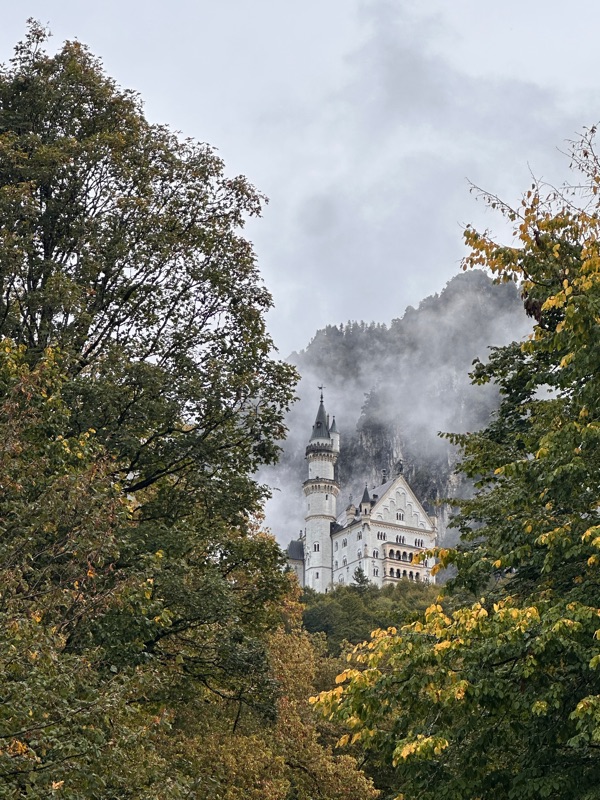
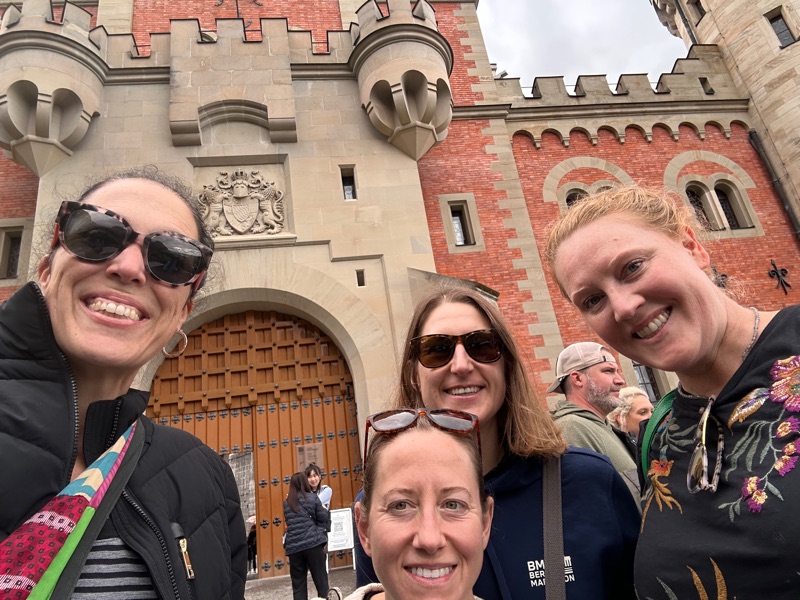
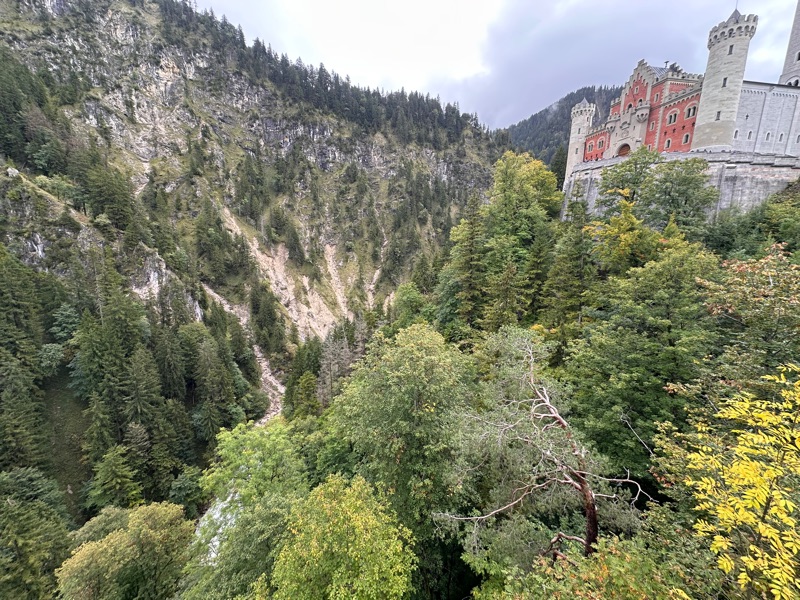
Our first major stop was the castle that inspired the Disneyland castle - Schloss Neuchwanstein. It was SO picturesque to see from a distance, a total wow moment. What we didn’t know is that the tours book months in advance so we needed to appreciate it from our hike to the front gate. It was still amazing, sitting carved into the mountain. This palace was built in the mid-1800s by Ludwig II, the King of Bavaria. He built it next to his favorite castle, Schloss Hohenschwangau, but he wanted this castle he was building to be built in a medieval style, which is ironic because he demolished the actual medieval castle that was on the site in order to build it. It took only 11 years to build, impressive compared to the Cologne Cathedral. At this location there are the two castles but also a museum dedicated to Bavarian kings. We didn’t visit this, but it was certainly a gem I would recommend stopping at in Bavaria, it was just stunning.
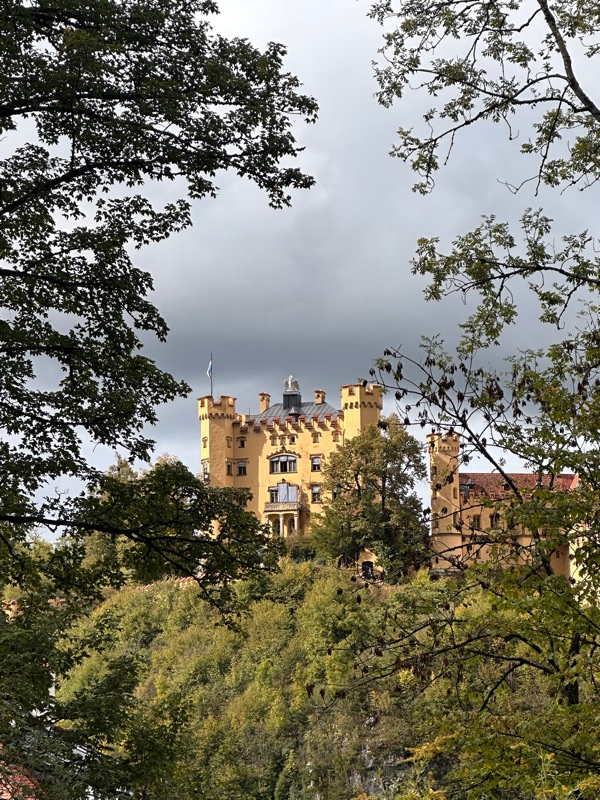
This yellow castle is the original Schloss: Hohenschwangau
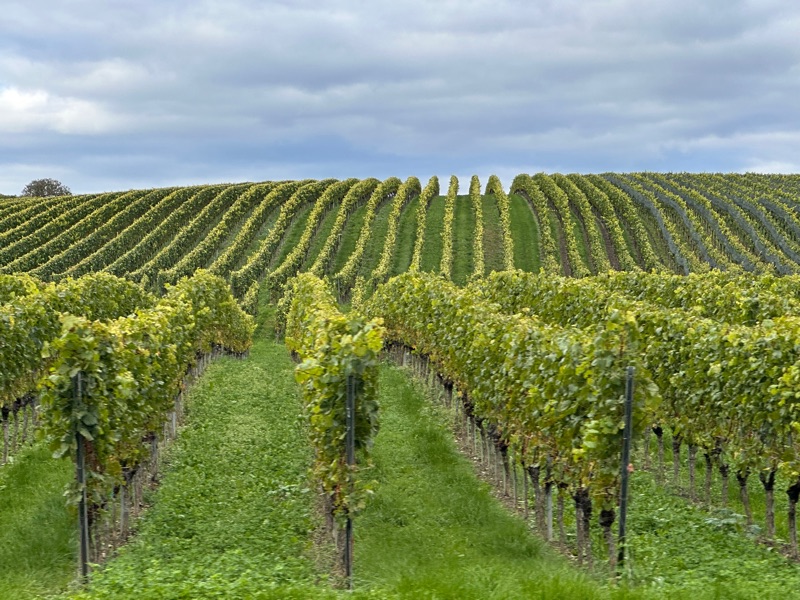
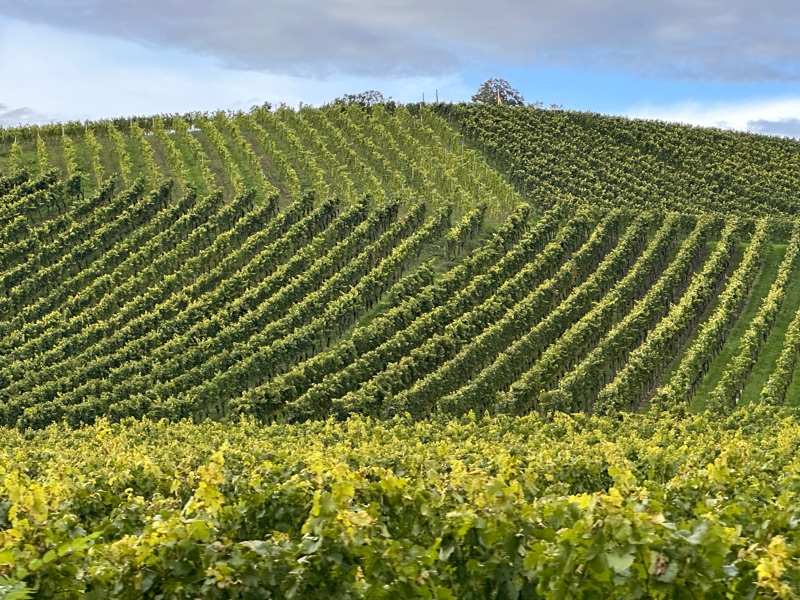
From there we drove through wine country towards the Black Forest for some cake, ham, and cuckoo clocks!


Comments
Post a Comment